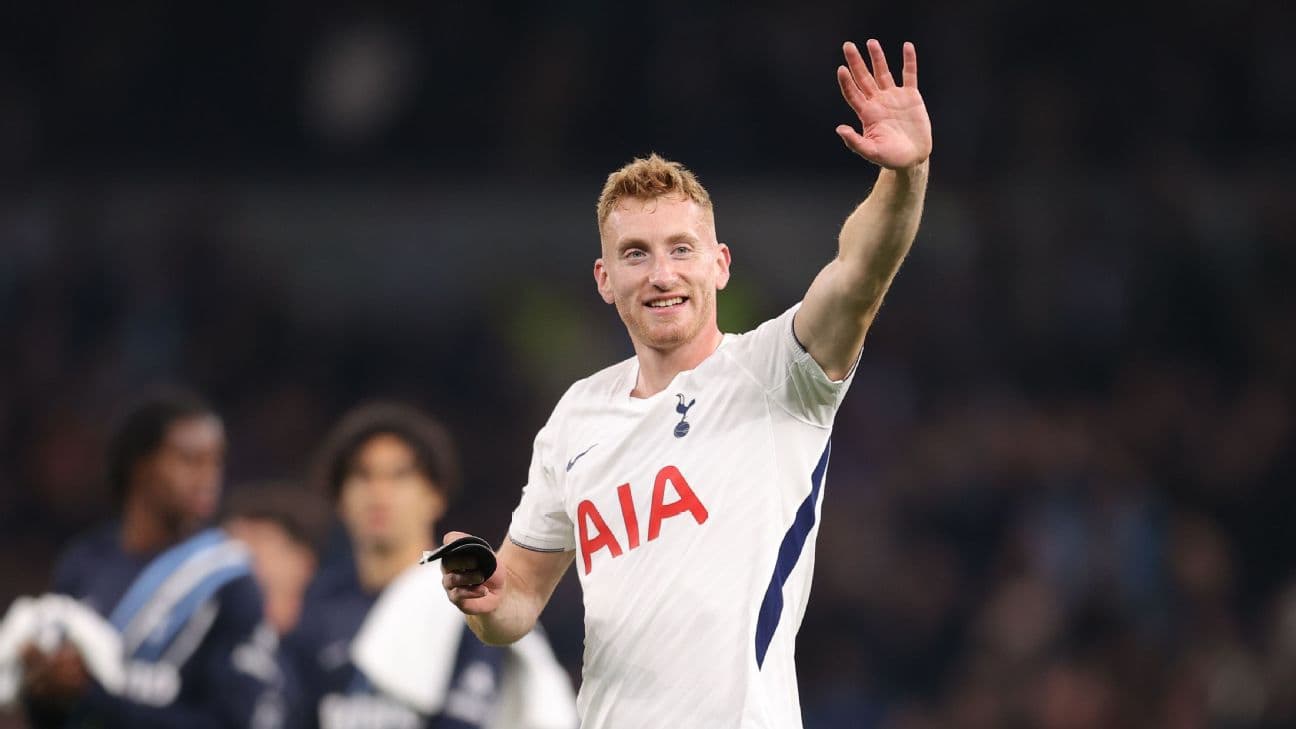
Dejan Kulusevski is back. After more than 17 months sidelined, Tottenham's Swedish winger appeared in the club's Monday victory over Coventry, signaling an end to one of the Premier League's longest recent recovery arcs.
The comeback itself wasn't the only story. Per ESPN's reporting, Kulusevski said the extended absence has fundamentally altered how he approaches soccer. "I am smarter," he told ESPN, characterizing himself as "different" post-injury.
What that means in practice remains to be seen on the pitch. But manager Ange Postecoglou's decision to deploy Kulusevski in the Coventry match suggests the club believes he's ready to contribute, even if initially in limited capacity. Per ESPN's reporting, Postecoglou indicated the substitution was partly a gesture to the fanbase—a sign that their patience during Kulusevski's absence wasn't forgotten.
The timeline itself is staggering. Five hundred twenty-six days is long enough for entire coaching philosophies to shift, transfer windows to cycle, and teammates to turn over. For a player at Tottenham's ambition level, that kind of absence risks permanent marginalisation, both fitness-wise and tactically.
How Kulusevski regains his place in Postecoglou's system will likely unfold gradually. The manager's high-intensity, pressing-oriented approach demands match sharpness that doesn't return overnight. But if Kulusevski's claim about mental acuity holds—if the injury really has sharpened his positioning and decision-making—Tottenham may get a player who's not just returning, but evolved.
Monday's appearance is just the opening move. The real test comes in sustained availability and the ability to deliver on the field what his mind may have developed during the long road back.
This article synthesizes reporting from ESPN. Top story: "Dejan Kulusevski explains why he is 'different' after Tottenham injury hell" (ESPN).